The sold myth of upgradeability
A year ago, I purchased a top-spec Framework Laptop 13. I don’t regret it. It’s a great machine with its own drawbacks, but it brought me a lot of joy by getting me back to Linux—and especially to Omarchy.
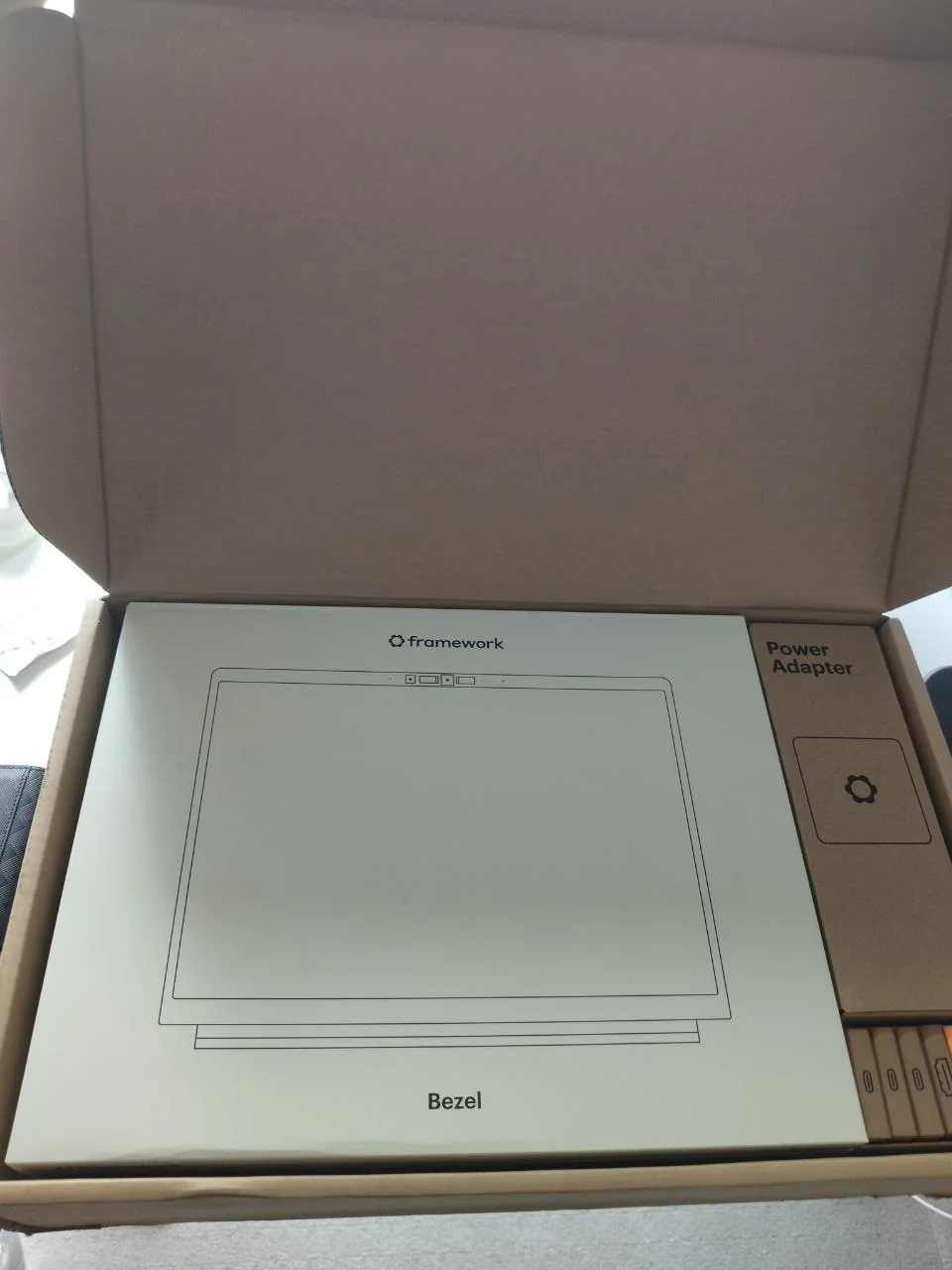
I don’t regret it because I understood from the start that upgradeability probably wouldn’t work out and that I would need to buy another laptop soon enough, just as I had before. Every few years, we get some initiative like a repairable phone. But this was the first time the idea came not from European recycling or open-platform activists, but from a normal commercial company making a full lineup of laptops and desktops.
I like being able to fix my own devices, but once you account for the complexity of modern electronics, every attempt comes with trade-offs. You have to choose between a better device and the ability to tinker with its internals. Unfortunately, a year ago, there weren’t many better PC laptops either.
A year passed. Intel released a pretty damn good platform that finally gives PC users battery life close to what Mac users have had for years. Many people think plugging in isn’t a big deal, but in real life, the Framework Laptop 13’s power management completely sucks. I can squeeze out maybe three hours on a good day, and about an hour and a half with Codex and Claude open. As a desktop that can be moved easily, it’s a great option. As a laptop, not so much.
The chassis itself is just okay—not what I want to say about an almost $3,000 laptop. But it felt good to support a new hardware maker in a crowded market, especially one that supports causes close to me, like open source and Linux.
A few months ago, Framework announced its new Intel laptop. Because the company insists that upgradeability is its competitive edge, I expected to swap the mainboard and get a better laptop for a reasonable amount of money. Unfortunately, that isn’t the case. A complete upgrade costs more than buying an actual new Framework laptop. Even the hardware upgrade alone is only a little cheaper than a ready-made laptop from Framework—and the new machine includes a new chassis. So all the people who told me that upgradeability was bullshit were right. I believed Framework would get it right at least once to prove the point, and I was wrong.
Most of my Macs worked for years without ever feeling significantly outdated, slow, or awkward. My M1 MacBook Air, bought in 2020, now serves the younger generation with its original battery at 86% capacity and works perfectly. It will probably work like that for years to come, just as my older Macs did. That makes Macs a pretty sustainable choice if you care about recycling and responsible consumerism.
For my Framework, things haven’t gone as well. It is still my daily driver and a pretty capable machine, but I just ordered a cheap, light Dell XPS 13 as a garden and travel machine—something I can use without worrying that it will power off if I look away from the battery icon for a couple of minutes.